Event
October 9, 2026 · 5 min read
Japan YGN Places Third at Innovation4Nuclear, with Anthropocene on the Team
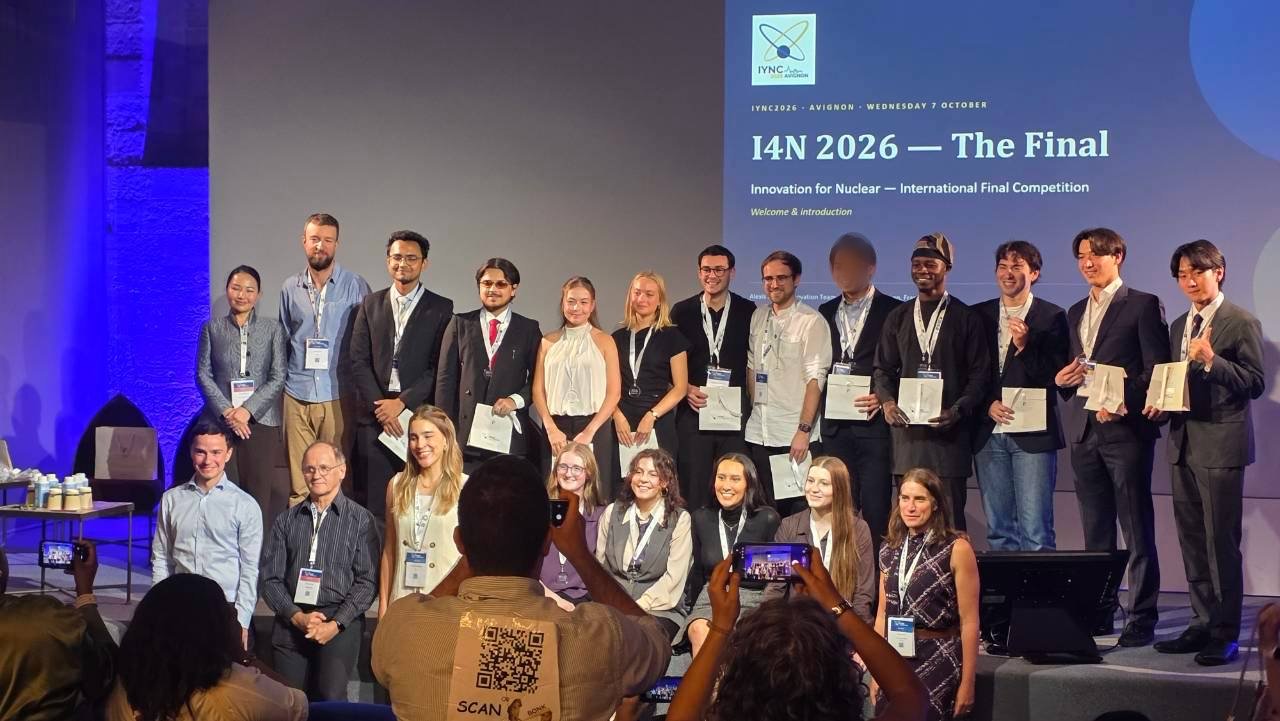
On October 7, in Avignon, Japan YGN placed third in the final of Innovation4Nuclear, the global innovation competition of the International Youth Nuclear Congress.
On the afternoon of October 7, in a vaulted cellar beneath the Palais des Papes in Avignon, a panel of nuclear industry judges heard the final round of Innovation4Nuclear and placed Japan YGN third. One of the four presenters was Taiga Cogger of the Anthropocene Institute. To our knowledge, it is the first time the Institute has been represented in the final.
The result is worth explaining rather than simply announcing, because the competition that produced it is not widely understood outside the sector, and because what it selects for is unusual.
A qualifying structure, not an open call
Innovation4Nuclear — I4N — is the global innovation competition of the International Youth Nuclear Congress. It was launched at the 2018 congress in Bariloche, Argentina, and it does not accept direct entries. Teams reach the global final by winning a national or regional innovation competition first, run by a partner young-generation network: Africa4Nuclear with the African Young Generation in Nuclear, the North American contest with the Atomic Allies coalition, and I4N-Europe with the European Nuclear Society Young Generation Network. Participants must be under 35. Teams from a country inside a regional grouping are required to come up through that region’s route rather than apply around it.
The judging criteria are the more telling detail. Five are published, and only the first concerns the idea itself. The remainder ask whether the proposal is implementable with resources that actually exist, whether a business case and stakeholder analysis stand up to scrutiny, and whether the concept advances the UN Sustainable Development Goals. Presentation quality is scored; limited English is explicitly not a barrier.
I4N is therefore less a showcase for good ideas than a feasibility review conducted in public. That distinction is what gives a placing there its weight.
The venue
IYNC was founded in 2000 at its first congress in Bratislava and has convened biennially since, rotating across continents — Toronto, Stockholm, Cape Town, Bariloche, Sydney, Koriyama, Abu Dhabi. Recent editions have drawn between 300 and 450 early-career nuclear professionals; the 2024 congress in Abu Dhabi hosted delegates from 47 countries. The organization maintains representatives in 42.
The 2026 congress ran October 4–9 in Avignon, co-hosted with France Youth Generation in Nuclear under the theme “The Chain of Change,” with the technical program housed in a UNESCO World Heritage site. The I4N final was scheduled opposite a block of technical workshops on space nuclear systems, long-horizon waste strategy, and advanced materials — which is a meaningful filter on the audience. Delegates who choose the innovation session over the materials session tend to be the ones prepared to ask the difficult question.
The finalist field was small and international: young-generation networks from Europe, Africa, Bangladesh and Japan, alongside a team from the Nuclear Innovation Bootcamp. Every team in the room had already won somewhere else to get there.
What Japan YGN proposed
NUVITA addresses a disposal question that the decommissioning sector has not resolved and the public has rarely been asked to consider.
When a nuclear plant is retired, a substantial share of the material recovered is ordinary structural metal — steel, copper, aluminum — much of which was never in contact with anything radioactive, and much of the remainder of which is decontaminated, measured and formally cleared by regulators. Cleared metal is nonetheless commonly landfilled or absorbed anonymously into scrap streams.
NUVITA proposes directing cleared decommissioning metal into the manufacture of bousai goods: the household disaster-preparedness equipment that Japanese families already keep as a matter of routine. Under a proposed “Nuclear Heritage” brand, the material’s provenance would appear on the product rather than being obscured — metal that spent decades in service generating electricity, remanufactured into equipment a household depends on in the hours after an earthquake.
The proposition is not that the material is acceptable despite its origin. It is that the origin is the point. The project links three concerns that are normally managed separately: material recovery, disaster readiness, and public education about nuclear technology.
That is a reframing, and a panel scoring applicability and stakeholder interest is well equipped to test whether a reframing survives contact with a supply chain. This one placed.
Why the entry matters as much as the result
Third of five is not a consolation. The organizations that place consistently at I4N are those that treat the regional competitions as a standing pipeline — entering each cycle, learning what the judging panel actually rewards, and returning. The durable benefit is institutional: a practice of putting early-career staff in front of an audience selected for its willingness to probe, and letting them defend a proposal on its merits without senior cover.
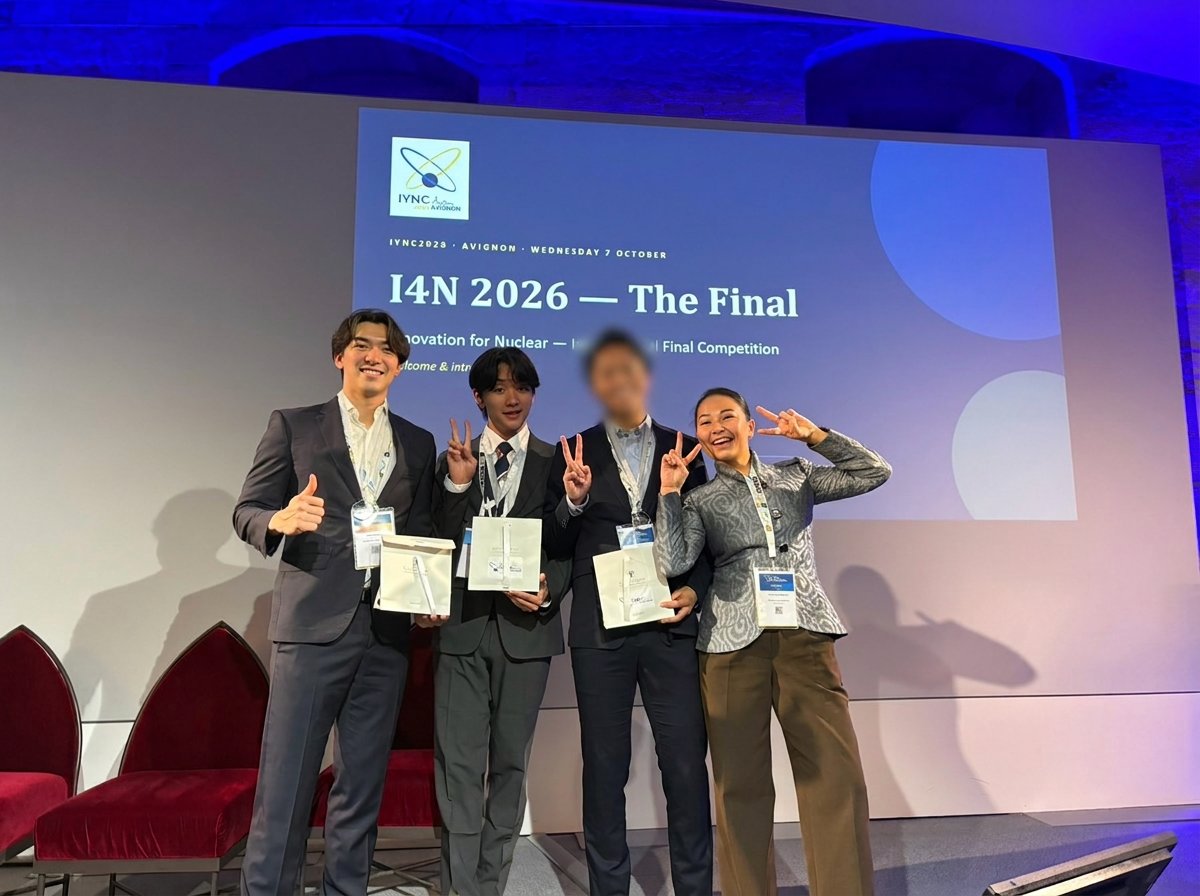
Japan YGN did that with a team of four: Taiga Cogger of the Anthropocene Institute, with Kota Kawai, Yu Fujiwara and Haru Tagawa. They qualified, traveled to France, and presented to judges who had no particular reason to be generous.
The critique delivered in that room — by people whose working lives are spent on decommissioning, fuel cycle and waste policy — will shape NUVITA’s next iteration more than the placing will. That is the part of the award that is not handed out on stage.
Congratulations to the team. The next congress is in two years.
Photos from Avignon
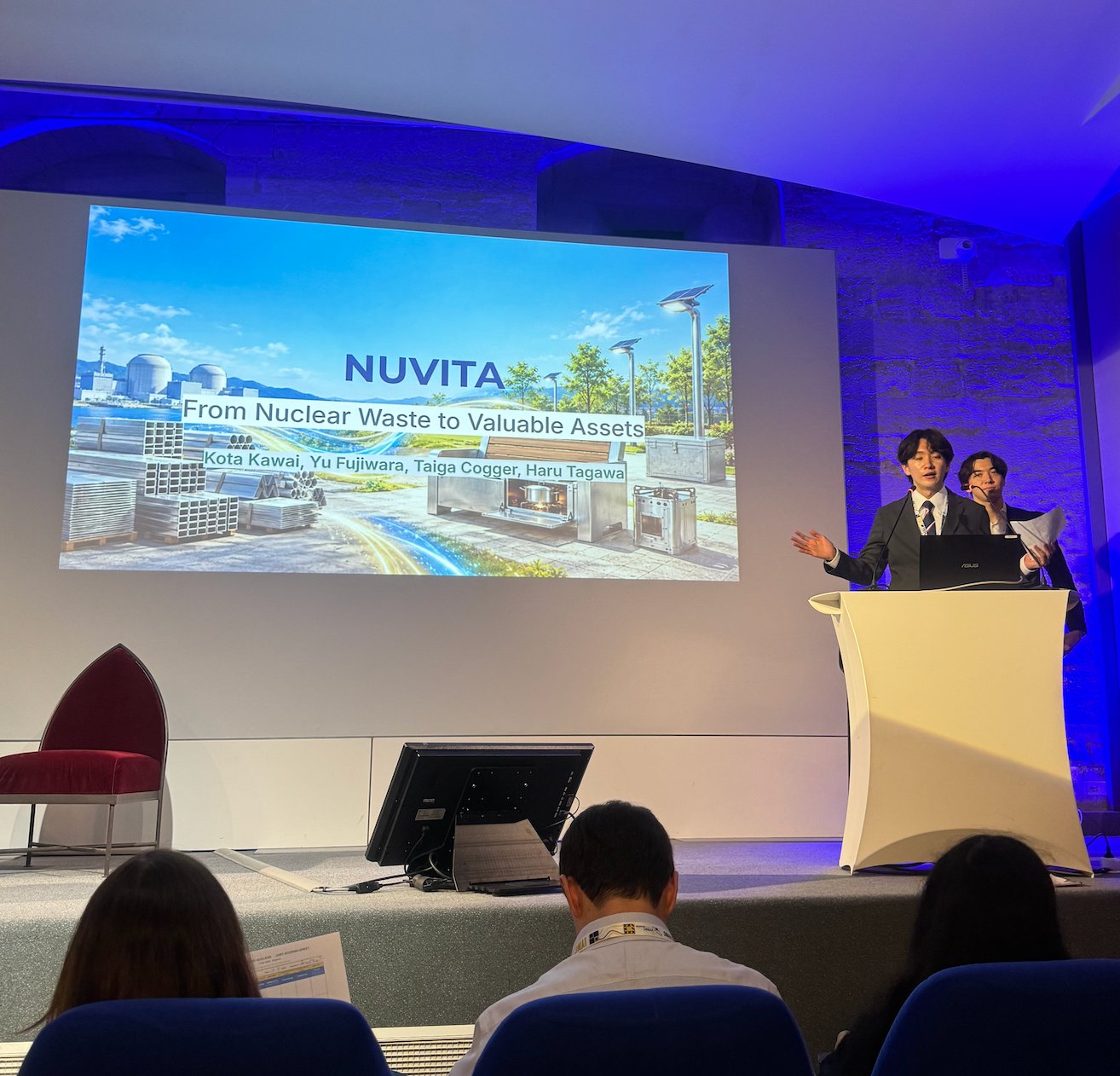
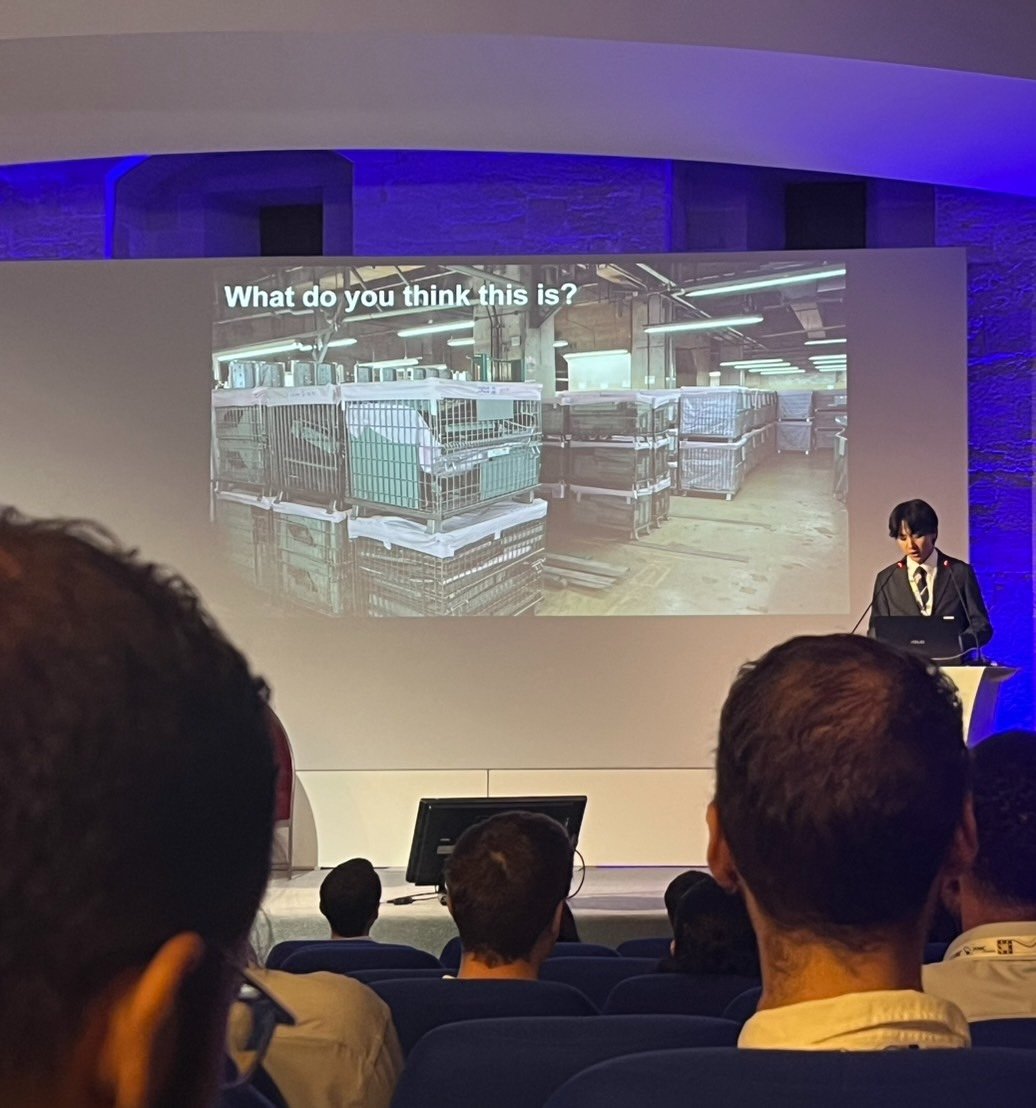
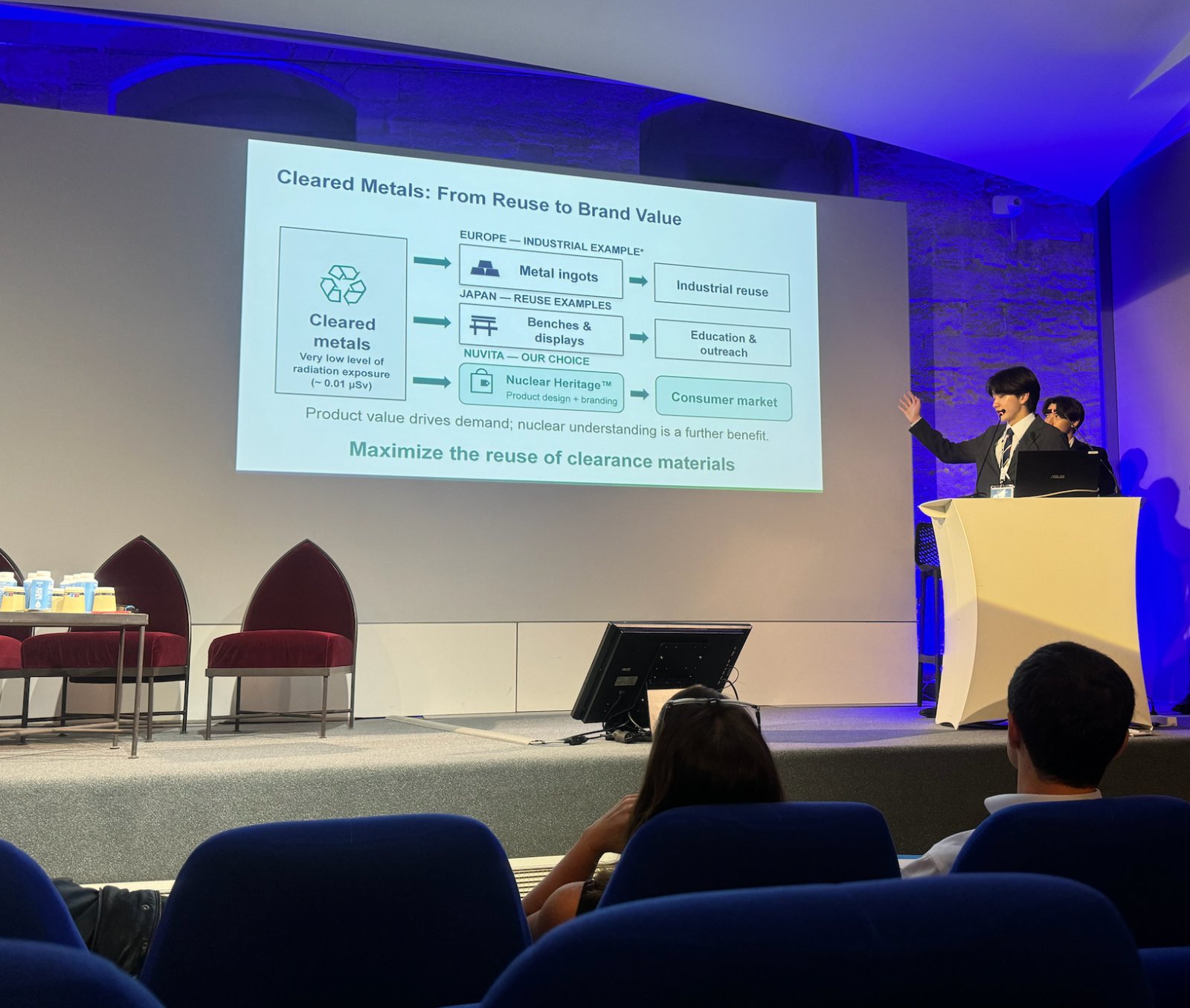
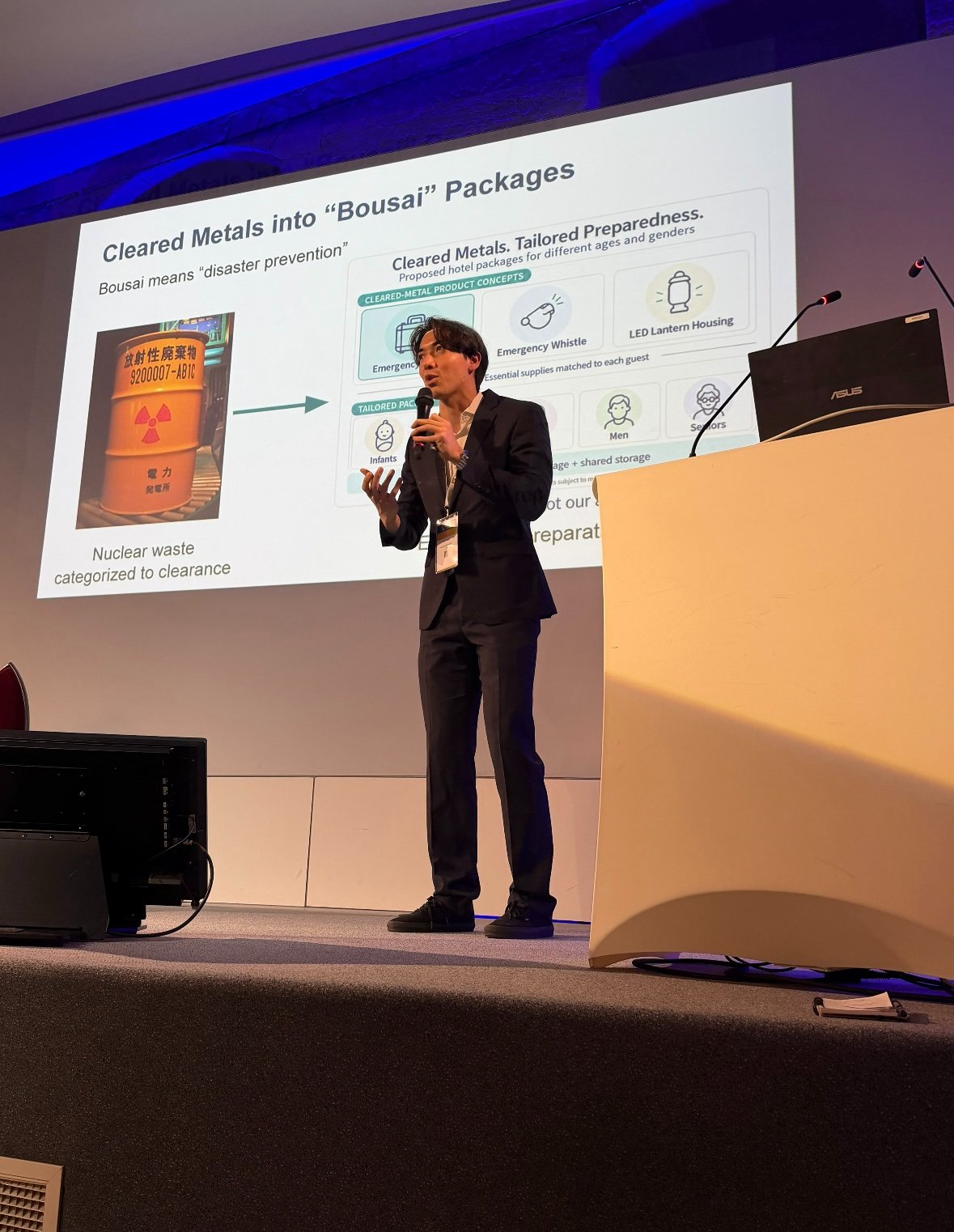
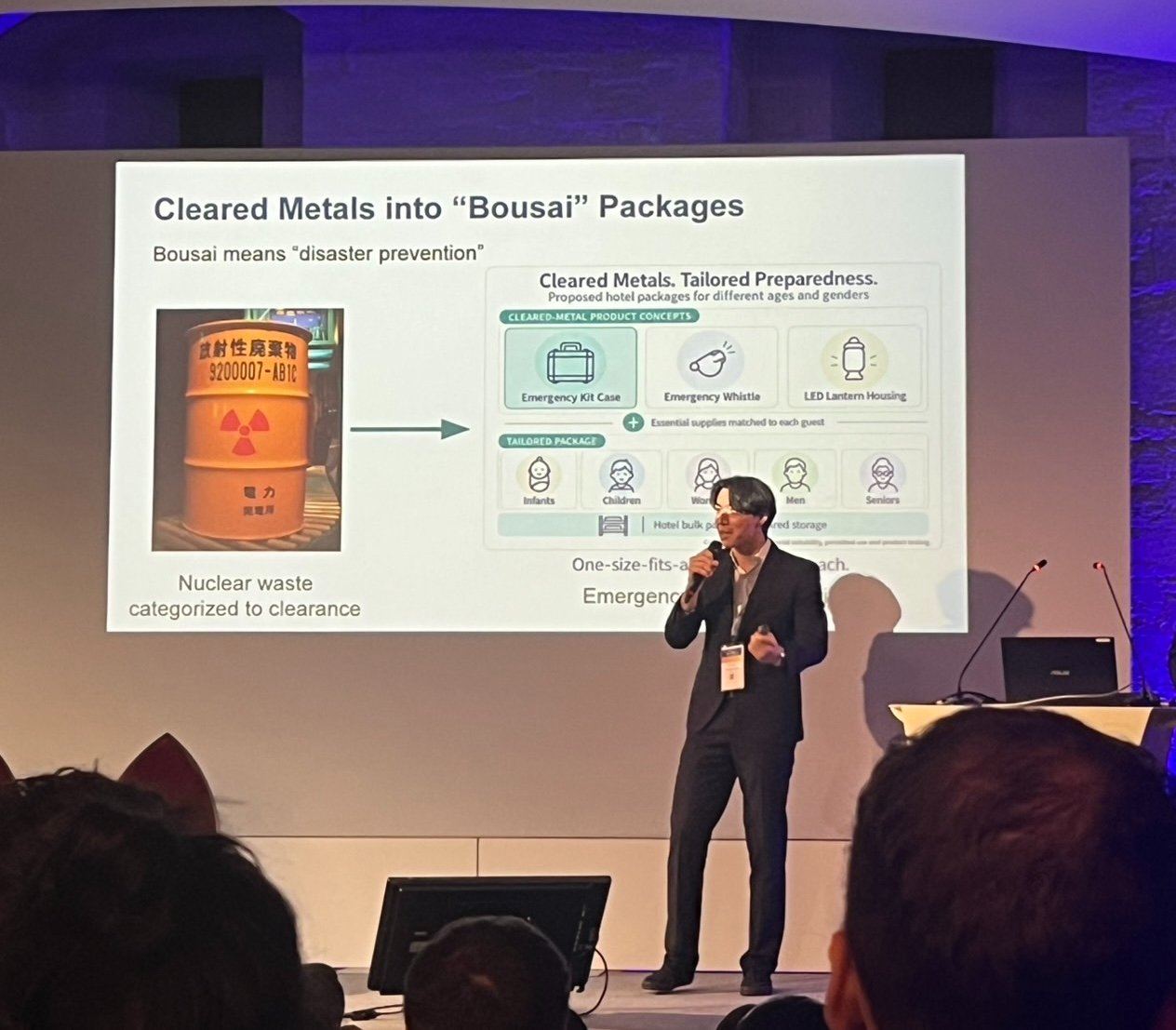
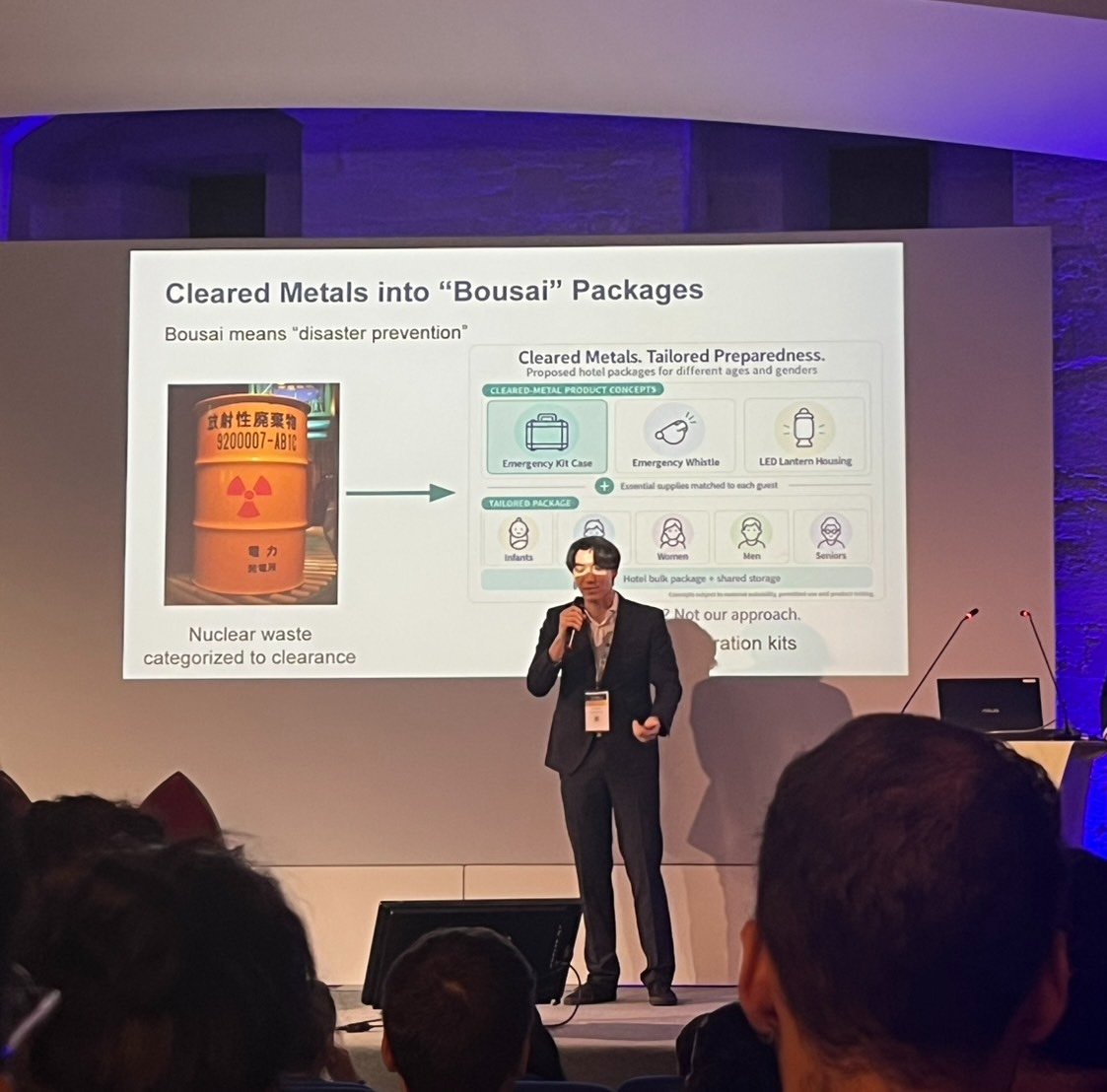
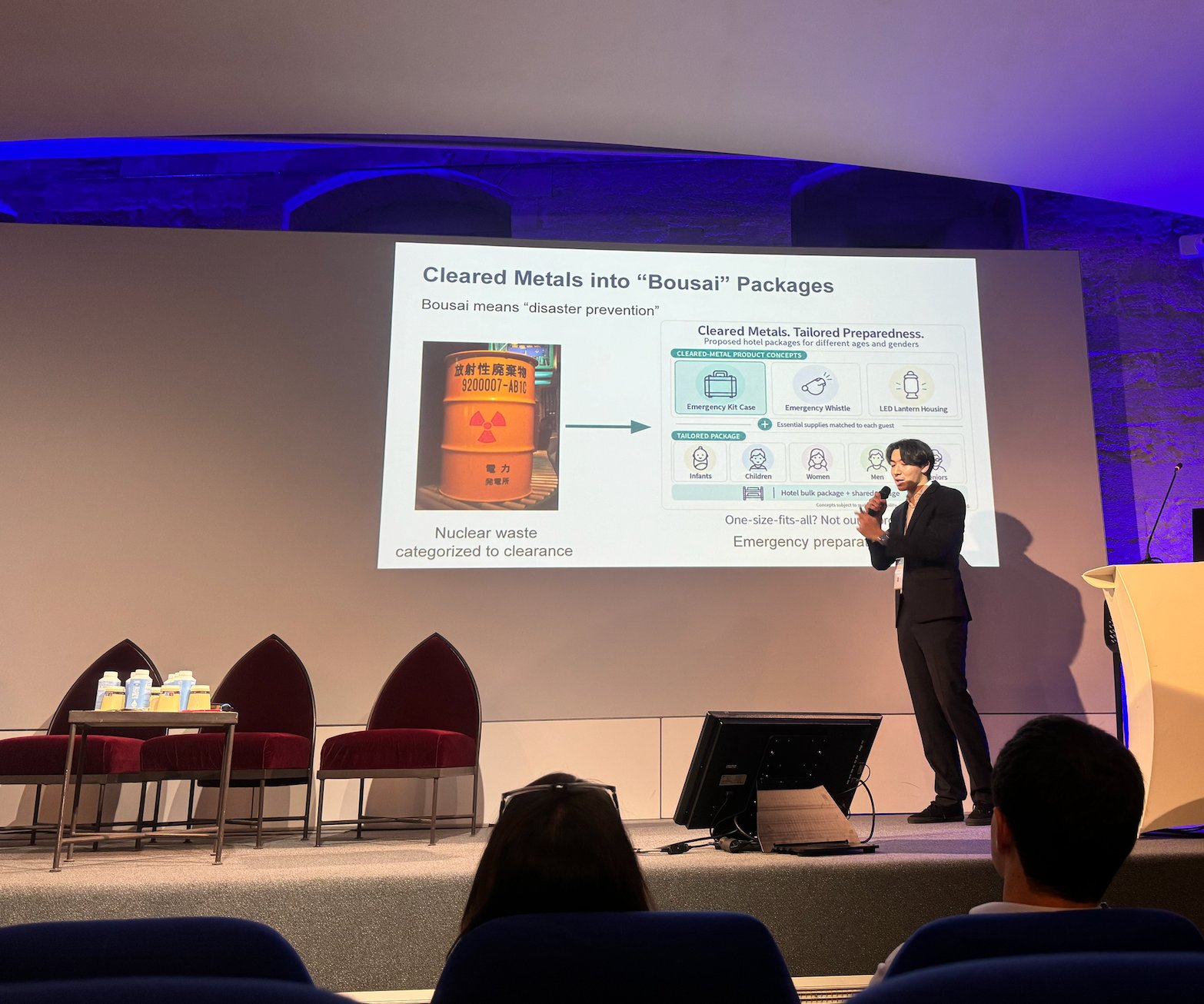
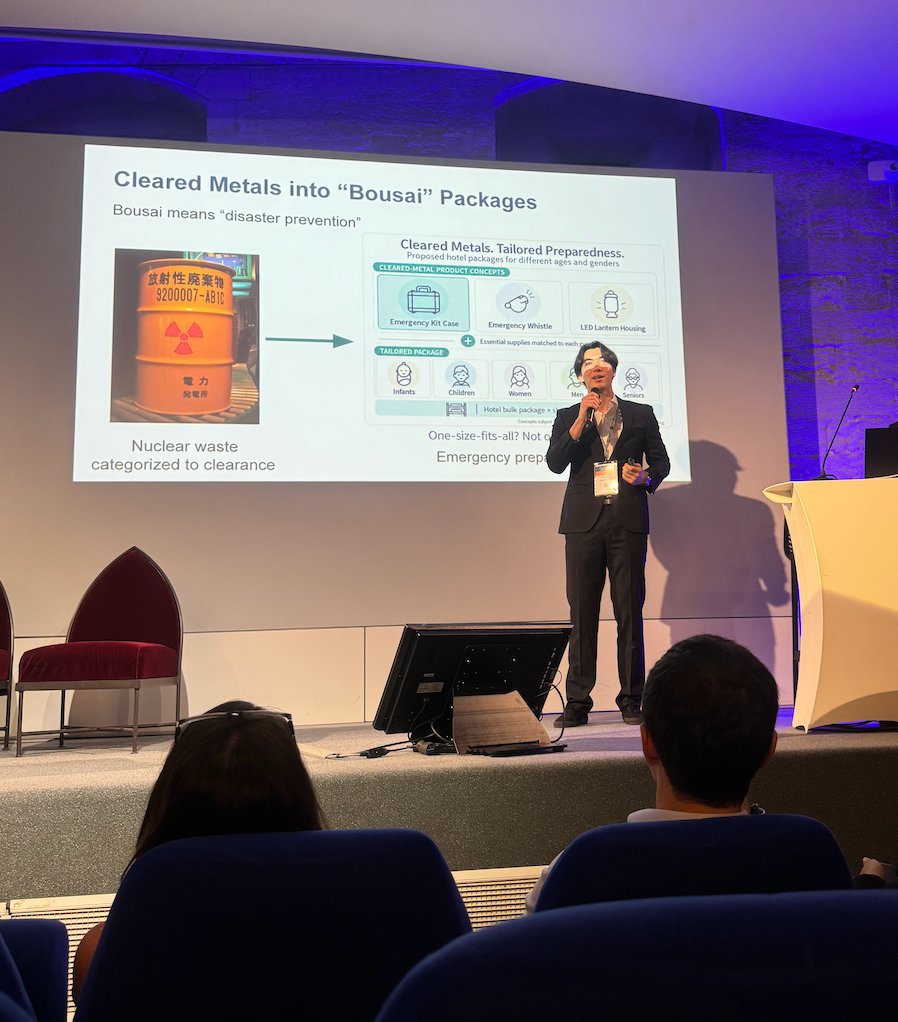
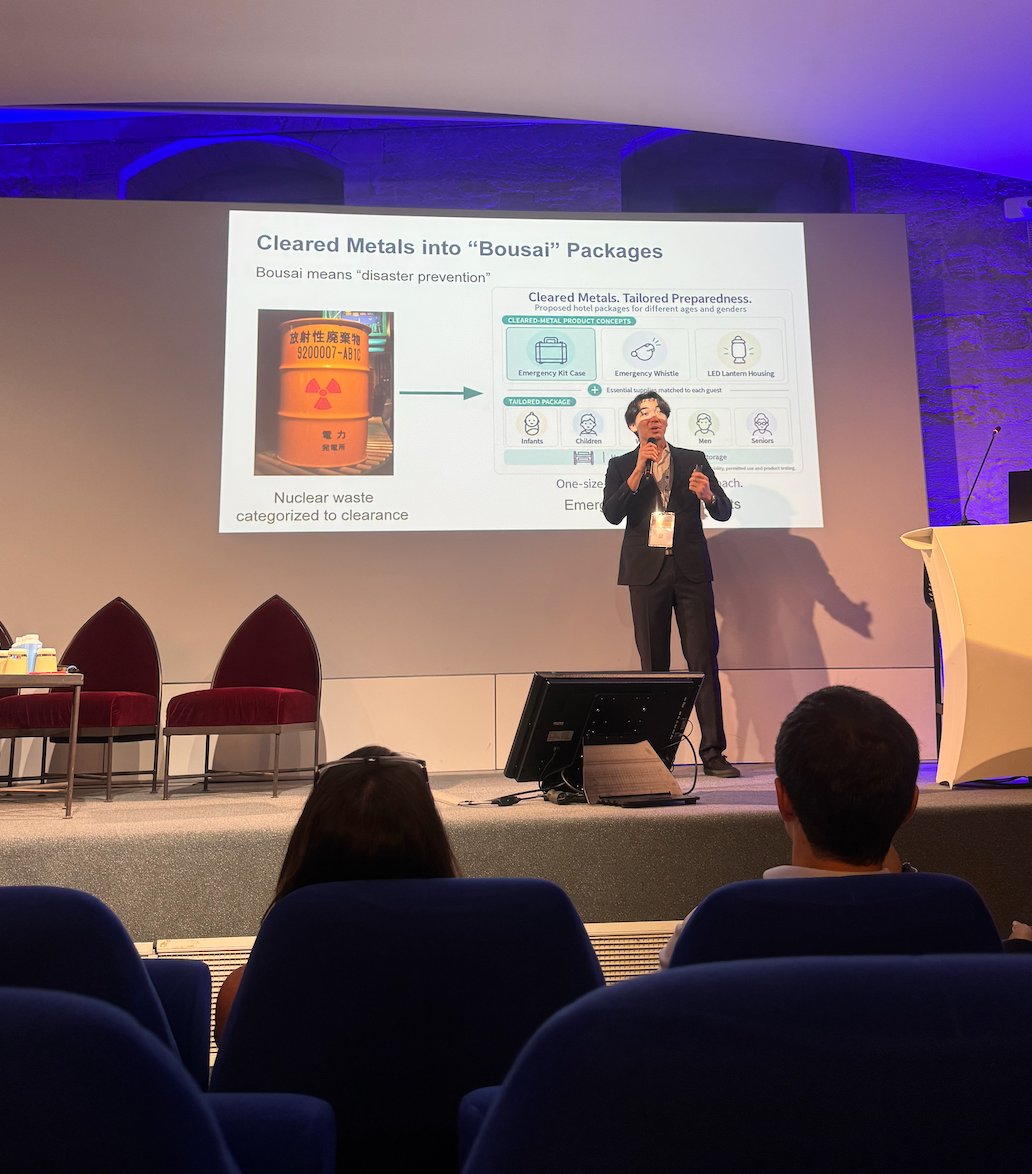
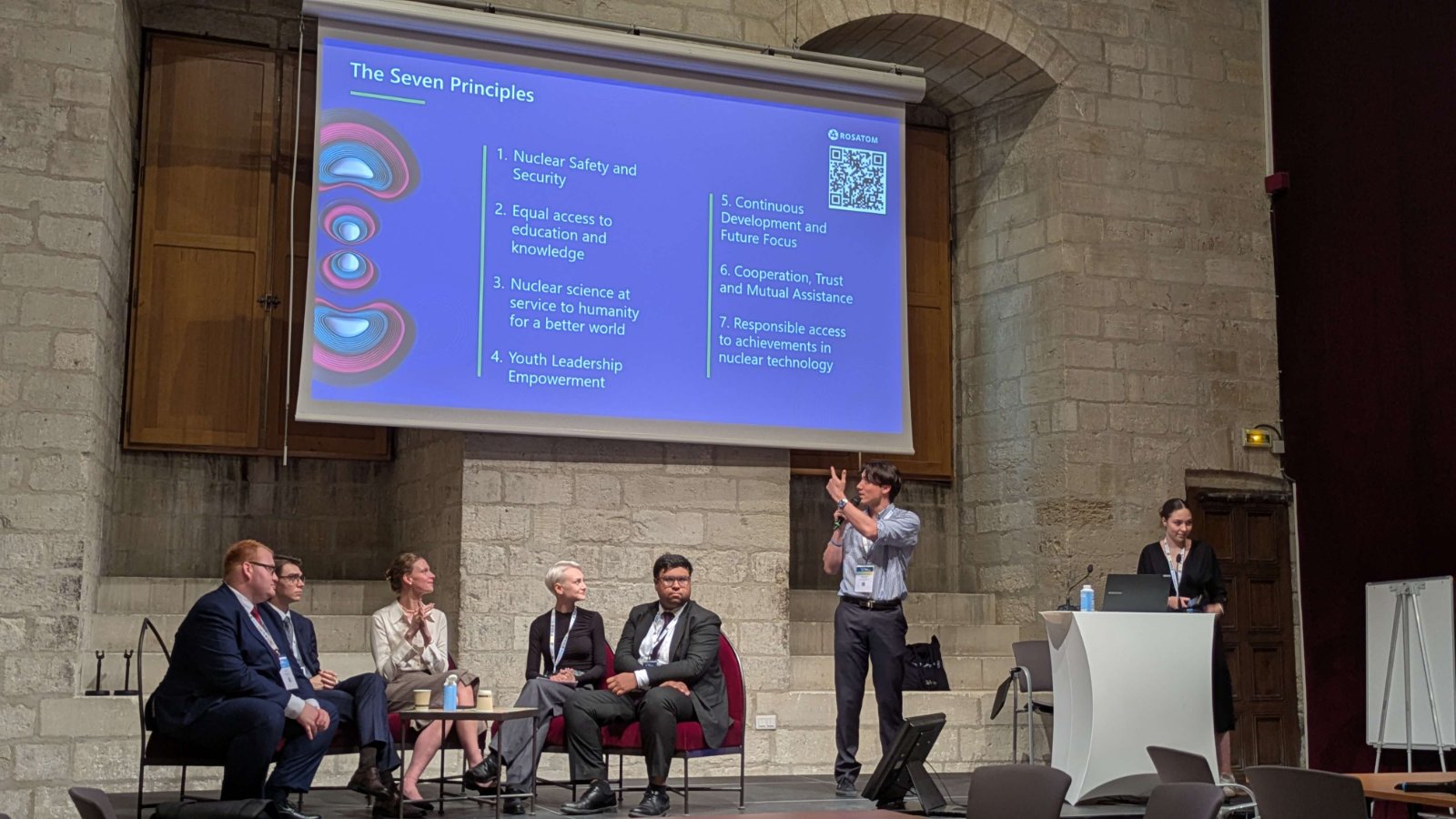
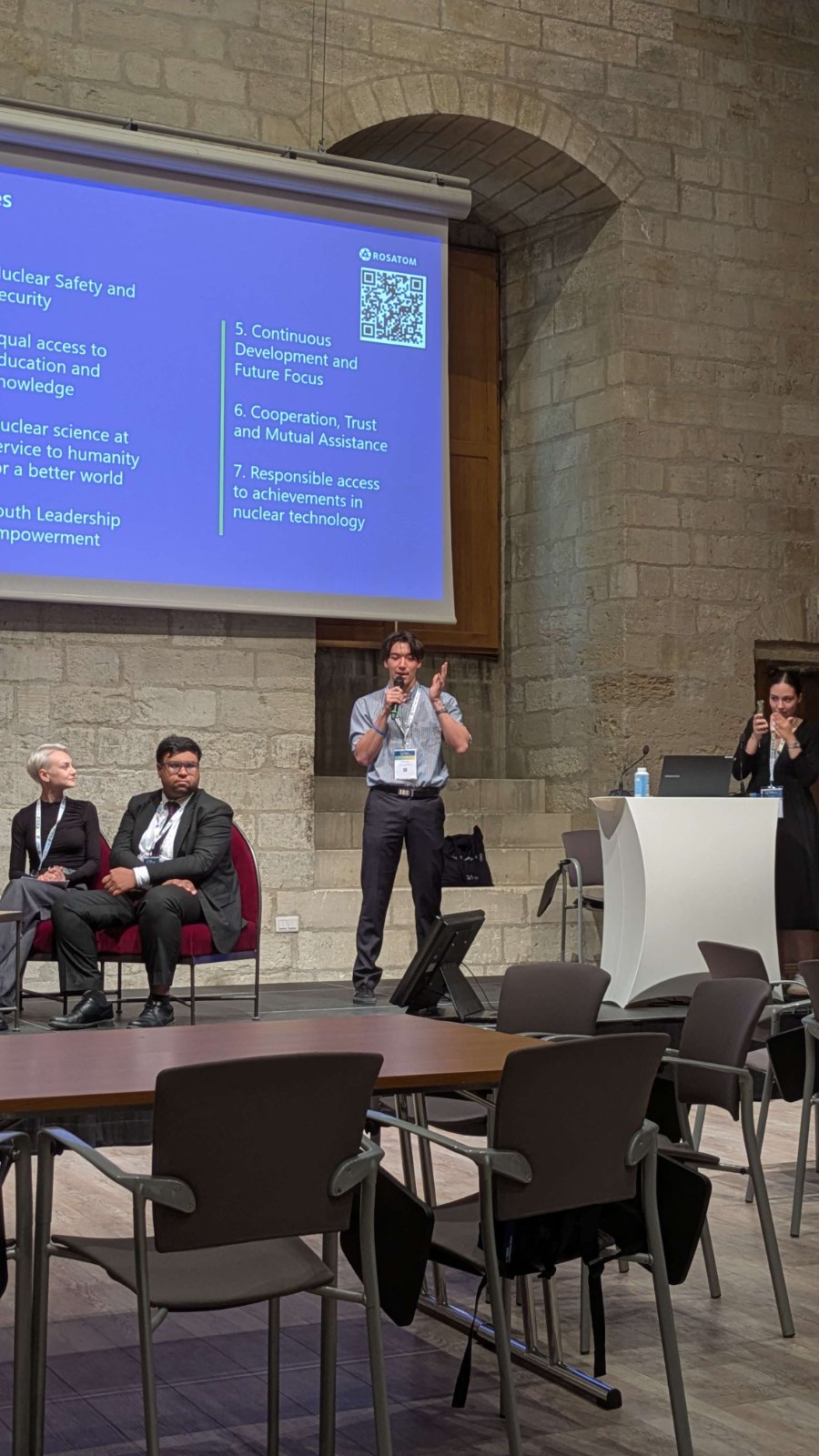
IYNC 2026, Avignon, October 6–7, 2026. Photo Credit: Taiga Cogger
The Innovation4Nuclear final took place on October 7, 2026, during the International Youth Nuclear Congress in Avignon, France.
About the Author
The Anthropocene Institute funds and publishes research on nuclear energy, solid-state fusion, grid electrification and ocean carbon, and convenes the entrepreneurs, investors and policymakers building clean firm power.