
MISSION & VISION
About Anthropocene Institute
We have the power, the knowledge, the tools, and the resources to make Earth a brighter, healthier, endlessly diverse, and plentiful planet — but we have to move faster.
“We are confronted with the fierce urgency of now. In this unfolding conundrum of life and history, there “is” such a thing as being too late. This is no time for apathy or complacency. This is a time for vigorous and positive action.”
Our Vision for Earth
By 2030, we will on the way to a thriving Spaceship Earth where abundant, affordable clean energy powers human prosperity and planetary repair, with humanity serving as the planet’s engineers and stewards.
Who We Are
Anthropocene Institute comprises scientists, engineers, communicators, storytellers, thought leaders, and advocates — all pulling together toward a common goal: make Earth abundant and sustainable for all generations to come.
Meet the team →A Message from Our President
Hi. I’m Carl. I run the Anthropocene Institute, which is a fancy name for an organization built around one simple, slightly uncomfortable idea: humans are now in charge of this planet, whether we asked for the job or not.
That’s what “Anthropocene” means, by the way — it’s the name some scientists use for the geological era we’re currently living in, the one where human activity, not volcanoes or ice ages, is the main thing shaping the climate, the oceans, the forests, all of it. We didn’t apply for this position. Nobody handed us a badge. But here we are, running the place, and — speaking as an engineer — I’ve noticed that when nobody’s clearly in charge of a complicated system, it tends to get worse, not better.
So somebody should probably be paying attention. That’s us.
Most environmental thinking I grew up with had a simple message: humans are the problem, so do less, want less, use less, and maybe Nature will forgive us if we’re quiet enough about it. I understand the impulse. I respect it. But I think it’s basically backwards, because neglect isn’t a strategy, it’s the absence of a strategy. A jetliner doesn’t stay in the air because everyone on board agrees to want less altitude. It stays up because somebody built redundant systems and keeps maintaining them.
Spaceship Earth is no different — nature is the ultimate engineer and zero maintenance was needed. Then humans came along and started fiddling with the knobs. We made it our problem, and pretending we’re just passengers rather than crew doesn’t actually reduce our responsibility. It just guarantees we do a worse job of it.
So instead of “do less,” our approach is closer to “build better, on purpose.”
Mostly that means energy, because nearly every other problem we care about gets easier once clean energy gets cheap enough that people don’t have to choose between it and everything else. Our working definition of “cheap enough” is something like ten times cheaper than fossil fuels, not twenty percent cheaper. That matters because problems don’t usually get solved by small improvements — they get solved when the cost of an input drops so far that the old constraint just stops applying.
Health improves, because most of what’s actually killing people at scale right now is air pollution from burning things, not the more cinematic disasters. Wealth improves, because energy is the one input that makes literally everything else cheaper — food, water, manufacturing, you name it. Security improves, because a lot of the worst conflicts in modern history have been, if you follow the money, arguments over who gets the oil. And climate improves too, but honestly, climate is almost the least interesting reason to do this, because if you need to wait for people to fully believe in a 100-year forecast before they’ll agree to stop poisoning the air they breathe today, you’re going to be waiting a long time, and a lot of people are going to die of something very preventable in the meantime. If you want the version of this problem that doesn’t ask you to trust a hundred-year model, look at the ocean instead of the sky: the same CO2 that worries climate scientists is also making seawater measurably more acidic, right now, no forecast required — you can just test the water. It’s the sooner, simpler, more serious problem of the two, and honestly the one that convinced me before warming ever did. It also has the same fix as everything else on this list: energy cheap enough that we can afford to pull CO2 back out of the ocean and the air, instead of just debating whether we’re allowed to keep putting it there.
One specific bet is nuclear — not because we’re nostalgic for it, but because the numbers work if you let them. Solar got roughly a hundred times cheaper over forty years because we let manufacturing do what manufacturing does: iterate, learn-by-doing, improve. Nuclear has been sitting still for fifty-plus years mostly because of rules that were written to eliminate risk down to zero, with no accounting for what that zero costs us in the meantime — which, it turns out, is measured in lives, not just money.
We think there’s a version of nuclear that gets built in factories, sees the same kind of cost reduction trajectory solar’s been on, and ends up 10 times cheaper. Get energy ten times cheaper and a strange number of “impossible” problems turn out to have been energy problems in disguise: desalinating water instead of fighting over it, recycling almost anything instead of mining more of it, manufacturing things close to where people need them instead of shipping them across oceans, pulling carbon dioxide out of the air, and a long etcetera. None of that requires a moral awakening. It just requires the cost of energy to drop far enough that the old excuse — “we can’t afford to do this cleanly” — quietly stops being true. Nobody has to be persuaded to like clean energy if it’s just the cheaper option. Frankly, my experience is that people don’t need converting nearly as much as they need a better price.
We’re also patient about long shots. We keep a close eye on some more exotic research approaches to both fission and fusion, because “not proven yet” and “there’s definitely nothing here” get confused for each other more often than they should. We hold that stuff to the same standard as everything else, though — real instruments, real measurements, no exceptions, no matter how promising the story sounds. Enthusiasm is not a data source.
If you’re wondering whether any of us know what we’re doing: we’re mostly innovators and creatives, a few of us are recovering from earlier careers in other fields, and all of us are doing a lot of arithmetic in the margins of otherwise normal conversations. We use every tool available to us, including the newer AI ones, mostly to check our own math and occasionally to translate our stranger ideas into sentences other humans will read past the first paragraph of. We get things wrong sometimes, and when we do, we’d rather say so and fix it than protect our reputation by staying quiet about it. That seems like a reasonable minimum for anyone claiming to be caretakers of the only planet we’ve got.
None of this requires you to agree with us about everything, or feel guilty about anything, or join a movement. It mostly just requires believing that “how many people can this planet support” is the wrong question, and “how many people are actively making it better” is the right one. There’s plenty of room for everyone.
— Carl Page
Entrepreneurs
Investors
Governments
Universities
Non-Profits
Foundations
Advocacy Groups
Evangelists
We’ve made earth a brighter place
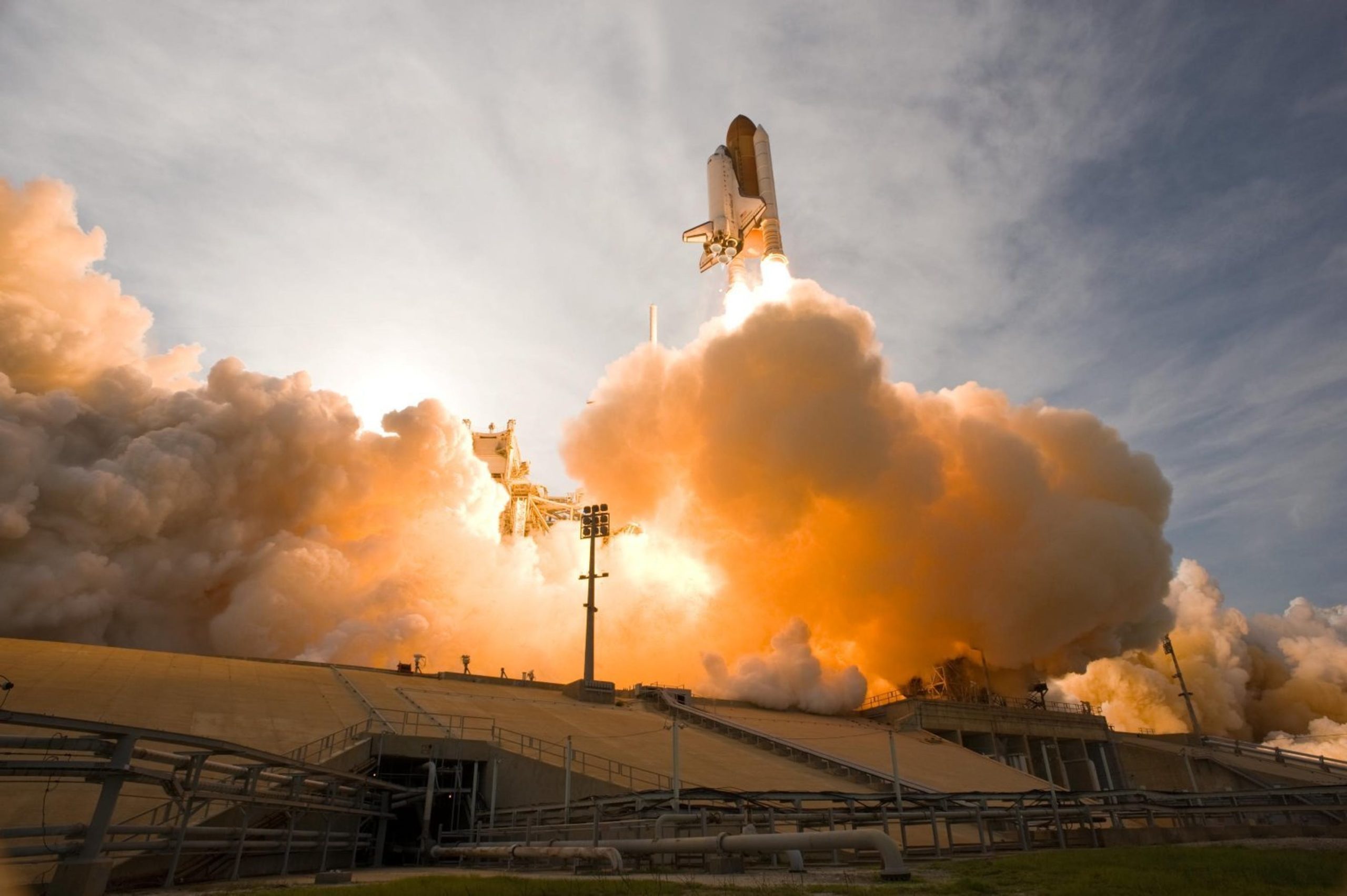
We helped substantiate the legitimacy and progress of Solid-State Fusion (SSF) research by supporting NASA’s fundamental work in demonstrating the ability to fuse atoms inside solid-state metals.

We’ve worked with ecoAmerica for years to poll Americans about their energy preferences. The research shows: people want nuclear energy to help combat climate change—and we want policymakers and investors to know it.

We support and promote several breakthrough companies creating hot, dry, and manufactured reactors that are small, safe, and easily scaled.

We help people understand that there is hope and we have many solutions, from SMRs and green hydrogen to carbon removal.

Nuclear energy is used all over the world. It’s safe, reliable, produces zero emissions and, importantly, delivers an abundance of energy every hour of every day regardless of weather. The solution is embracing better technology, which must include nuclear energy.
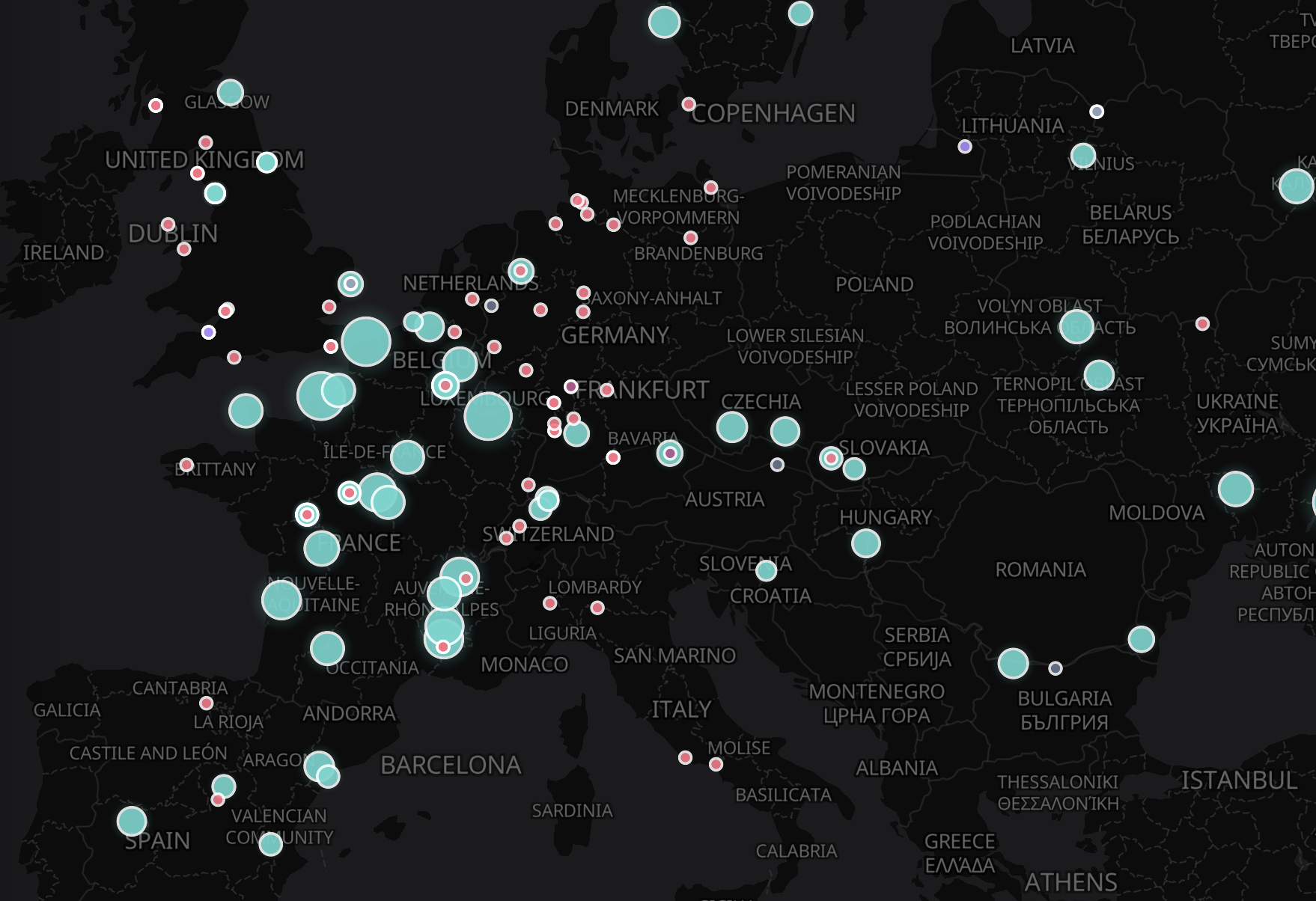
Our World Nuclear Investment Factbook and Advanced Nuclear Tracker map 179 companies building fission, fusion, fuel-cycle and nuclear-battery technology, so investors can see who is funding nuclear, where, and at what scale.
Universities we have partnered with








Organizations we have supported