
REDESIGNING ATOMIC ENERGY
Innovative atomic energy is key to avoid climate collapse
In its assessment report, the Intergovernmental Panel on Climate Change (IPCC) states that the expansion of clean energy sources, including atomic energy and renewables, is critically needed if our planet is to avoid a 1.5° C rise in global temperatures above pre-industrial levels.
Atomic energy is already among the cleanest sources of energy: no greenhouse gases or toxic pollutants are released during operations.
The Anthropocene advocates for the continued operation of existing atomic energy plants and for the development of hot, dry, manufactured reactors that are safer to operate and more versatile in use.
Atomic energy is safe, clean, and reliable
0
US deaths due to power plants operations
30 States
rely on atomic power and reactors
46%
of clean energy provided by atomic energy
1 million
US lives saved by pollution averted
Source: GotNuclear.Net
Atomic energy, answered
01
How much power does atomic energy generate in the United States?
As of March 2026, there are 94 commercial nuclear reactors operating at 54 power plants in 28 states in the United States. In 2025, these reactors provided about 18% of the country’s electricity, after generating 782 terawatt hours (TWh) in 2024. As a baseload source, nuclear ran at a 91% capacity factor in 2025, the highest of any type of power plant, and it remains the country’s largest source of clean electricity. The reactors are turned off every 18 to 24 months for refueling and maintenance.
02
How many nuclear reactors are there in the world?
Worldwide, there are about 440 commercial nuclear reactors operating in 31 countries, with a combined capacity of about 400 GW. In 2025, these reactors produced 2,702 TWh, about 9% of the world’s electricity. About 80 more reactors are under construction in 15 countries.
03
How much does it cost to produce nuclear energy?
In 2025, the average total generating cost for US nuclear plants, including capital, fuel and operating costs, was $36.46 per megawatt-hour (MWh). Plants with more than one reactor averaged $34.36/MWh. A 2025 study of 23 generating technologies by the OECD Nuclear Energy Agency and the Electric Power Research Institute found that existing nuclear plants running for the long term have the lowest average cost of electricity of any technology analyzed. And, this does not include the cost of pollution and waste disposal that nuclear is not associated with.
04
How much fuel does a nuclear power plant use?
A 1 GW plant, (for 750,000 homes) consumes only 3 kg of nuclear fuel per day, costing about half as much as equivalent weight in Silver. The nuclear plant releases only steam, or clean warm water. Fuel cost is about one half cent per kWh, much less than consumer energy prices in California between $0.25 to $0.50 per kWh.
A comparable coal plant needs 9000 tons of coal of day. The fuel costs 3.5 times more. By weight U-235 (3% enriched) fuel produces 2.5 million times more energy than coal.
05
What is the lifespan of a nuclear power plant?
The average age of the US nuclear fleet is more than 40 years. Almost every US plant now operates under a renewed license for up to 60 years, and as of September 2026 the Nuclear Regulatory Commission has approved 80-year licenses for 25 reactors, with Nine Mile Point 1, Cooper and Ginna under review. The operating life is determined by regulation. With proper upgrades, lifetimes can be extended to 60 to 80 years with no loss in generation capacity or safety.
06
Does nuclear power produce greenhouse gas (GHG) emissions?
Almost no GHGs are produced. Unlike fossil fuel-fired plants that burn coal, gas, or oil, nuclear reactors do not produce carbon dioxide (CO2), the main GHG, during its operation. While substantial amounts of concrete and steel have been used in older reactors, newer designs and manufacturing techniques will bring down the energy input to negligible amounts. Consequently, the embedded carbon would be less than what it takes to build a solar or farm farm today.
07
How safe is nuclear power?
Very safe. Nuclear power plants not only do not give off CO2, they also do not emit toxic pollution, including particulate matter (PM) or heavy metals like mercury, which causes substantial brain damage. In fact, coal-fired plants give off substantially more radioactive materials from the combustion of the fuel than from the nuclear reactors.
It is estimated that about a million lives in the US have been saved by nuclear power through the air pollution that it has averted.
08
What about the waste?
No fatalities have yet to be reported on the handling of the waste or by-products in the history of nuclear power generation. In fact, nuclear “waste” is actually 96% recyclable. The by-products can be reprocessed for further power generation.
At the same time, permanent solutions to store untreated waste have been commercialized using drilling technologies that isolate the material in deep geological sites that are safe from human exposure for millions of years.
09
Can nuclear fuel be used for military applications?
No. Nuclear fuel cannot be directly used to make nuclear weapons. The uranium that is used to make weapons are enriched to at least 90% U-235. However materials along the nuclear fuel cycle from yellowcake to spent fuel can be reprocessed to obtain weapons grade uranium.
The International Atomic Energy Agency (IAEA) plays a role in ensuring the peaceful use of nuclear power. According to their web site, “the IAEA fosters the efficient and safe use of nuclear power by supporting existing and new nuclear programs around the world, catalyzing innovation and building capacity in energy planning, analysis, and nuclear information and knowledge management. The Agency helps countries meet growing energy demand for development, while improving energy security, reducing environmental and health impacts, and mitigating climate change.”
10
Why invest in atomic innovations?
The US and several other countries have been pursuing hot, dry, manufactured reactors (4th generation reactors) to improve the safety, affordability, and versatility of nuclear power. The deployment of these reactors can contribute to the use of clean energy sources that are economically competitive in both established and emerging economies.
In 2025, the OECD Nuclear Energy Agency counted 127 small modular reactor designs worldwide, 51 of them in pre-licensing or licensing in 15 countries. Private capital is accelerating: advanced reactor companies raised $3.9 billion between 2020 and 2025, and fission companies raised $1.3 billion in equity in the first half of 2025 alone.
Americans want nuclear power
Support is high regardless of political affiliation
64 percent of Republicans
60 percent of Democrats
Notable rise by Democrats from 56% (2020) and 37% (2018)
Nuclear energy and health
67 percent of Americans support nuclear energy because it does not emit harmful pollutants
Youth support nuclear after learning it pollutes much less
Americans want nuclear innovation
When defined as inexpensive, produces little waste, and is fail-safe, 74 percent of Americans would support “new” nuclear power such as molten salt reactors.
Source: EcoAmerica
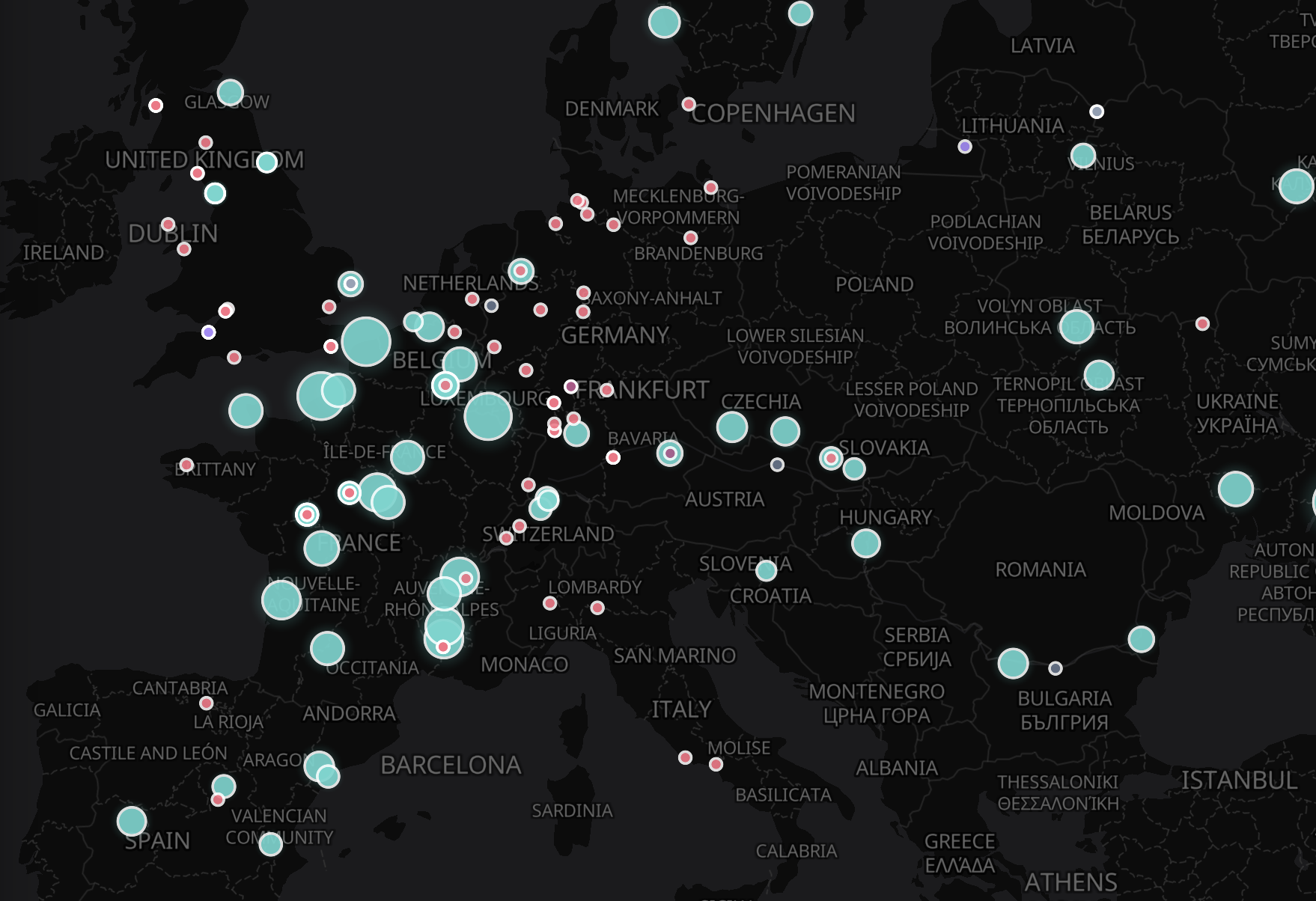
How are we redesigning atomic energy today?
For decades, the US and other countries have been pursuing innovations in atomic reactor designs that are not only more efficient and safer than current reactors, they are more versatile. Because they operate at higher temperatures (above 600° C), they are amenable for the industrial sector, which contributes to a third of global GHG emissions. These industrial applications include process heat for chemical feedstocks and steel processing, as well as for water desalinization.