
Events
Panels, summits and convenings the Anthropocene Institute hosts or joins, from Climate Week NYC to COP and ARPA-E.
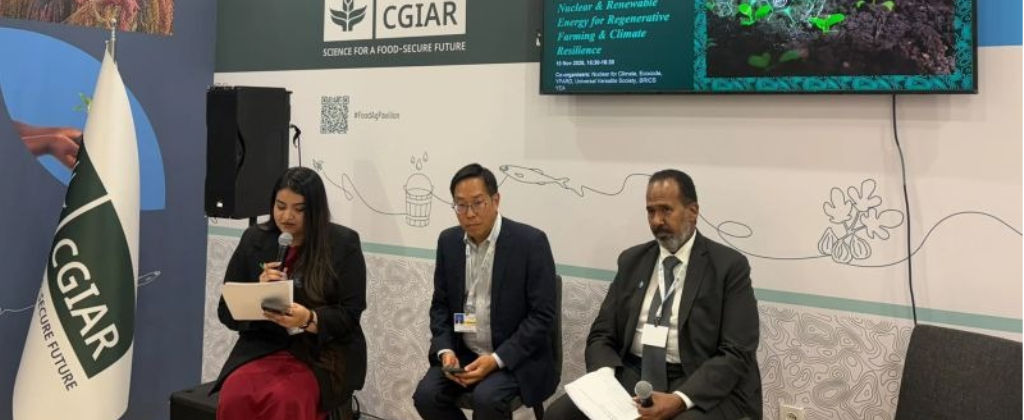
Fertilizer, fresh water and cold storage are what let agriculture scale. All three need clean power that runs around the clock.

74% of Taiwanese voters said yes to restarting Maanshan, and the referendum still failed. At the SMR/MMR Forum in Taipei on October 20, Anthropocene Institute speakers make the case that public support is now the deciding factor for nuclear.

On October 7 in Avignon, Japan YGN placed third in the Innovation4Nuclear final at the International Youth Nuclear Congress, with Taiga Cogger of the Anthropocene Institute on the team. Their proposal, NUVITA, turns cleared decommissioning metal into disaster-preparedness goods.

Anthropocene Institute and Stand Up for Nuclear convened nuclear advocates, pro-housing and pro-transit Democrats, and Bay Area policy and technology leaders around a shared premise.

Anthropocene sponsored the Nuclear Symposium 2025 and spent the week with investors, policymakers and innovators across Climate Week NYC.
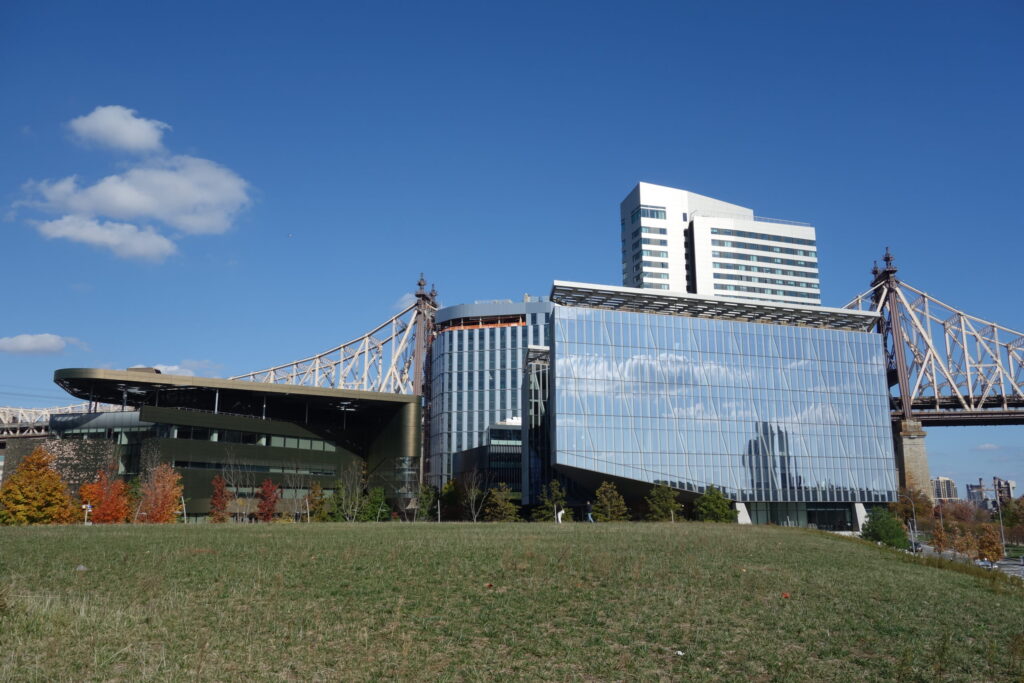
Anthropocene co-sponsored Nuclear Symposium 2024: Uplifting Humanity, held during the UN General Assembly, on nuclear energy’s role in lifting people into energy prosperity.

A Climate Week NYC panel on streamlining advanced nuclear regulation after the Supreme Court’s Chevron decision, moderated by Anthropocene’s Melinda Alankar.

At Climate Week NYC, founders and lawyers working on AI for advanced nuclear discussed what the two industries need from each other.

At the Asia Pacific Nuclear Energy Conference in Seoul, Richard Ollington presented survey findings on why public support for nuclear runs high in the Philippines.

The Oppenheimer Project and Anthropocene Institute convened a panel at the Mechanics Institute on the power demands of AI and data centers.

Anthropocene Institute brought conventional and solid-state fusion onto the same SXSW stage with Carly Anderson, Andrew Holland and Hideki Yoshino.

At COP28, panelists asked how the world can meet rising electricity demand without exhausting raw materials and natural capital.

Small modular reactors can reuse the infrastructure of retiring coal plants. A COP28 panel set out what that transition takes.
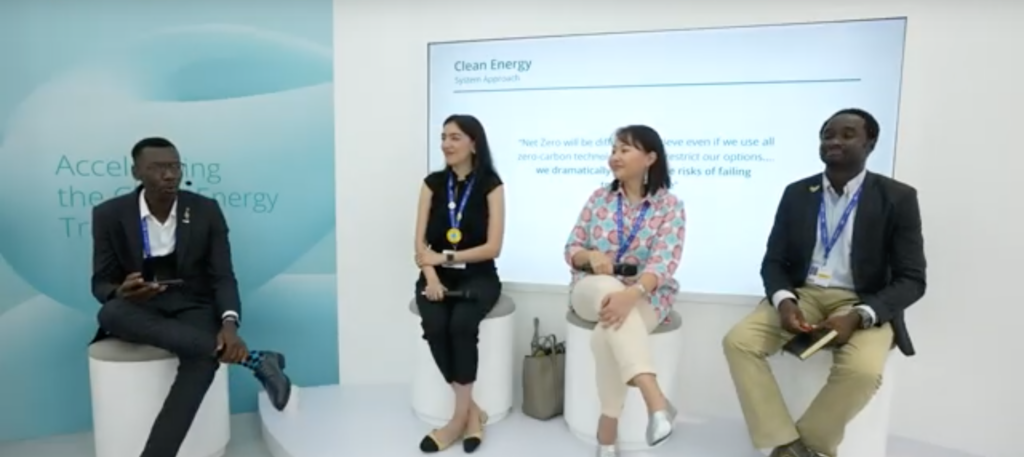
Net Zero Nuclear’s Youth Hour at COP28 put young engineers on stage to answer the audience’s questions about nuclear energy.
An Anthropocene-coordinated COP28 panel examined ETFs, portfolio investment and climate bonds as routes to financing nuclear innovation.

Carl Page addressed young African nuclear professionals in Nairobi at the African Youth Nuclear Summit.

At the UNGA Science Symposium, Dinara Ermakova made the case for repowering coal plants in developing regions and rural communities.

At Reuters SMR & Advanced Reactor 2023, an Anthropocene-sponsored panel discussed recommissioning coal sites and re-engaging the people who worked them.
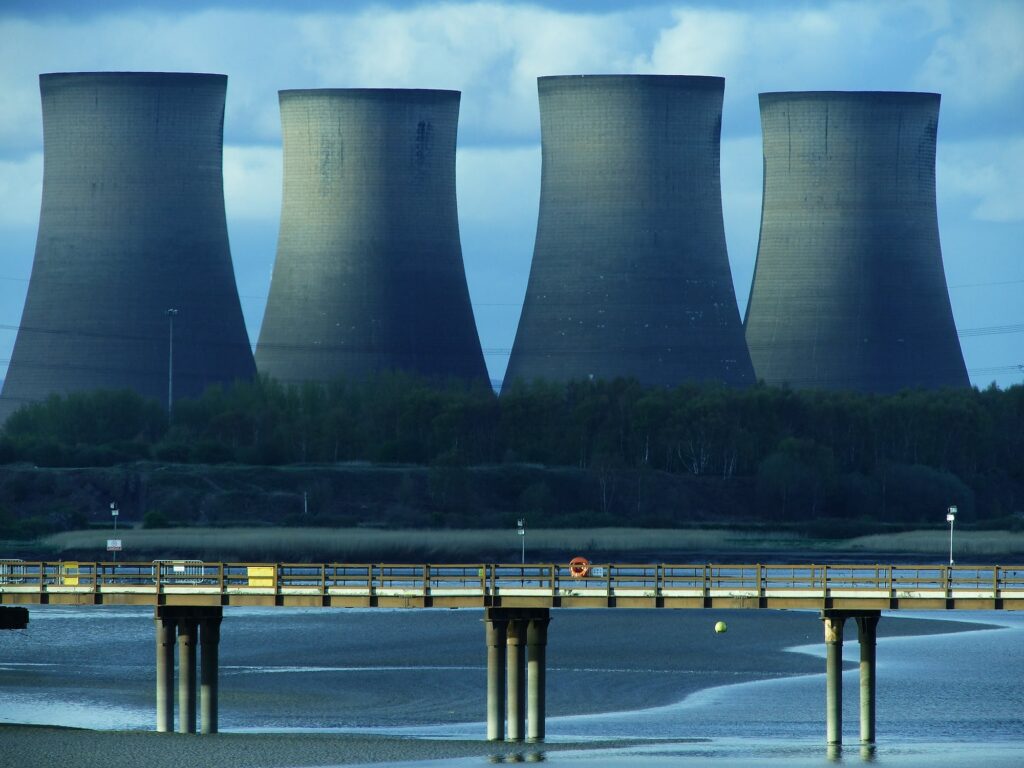
TerraPraxis’s co-founders presented a repeatable system for repurposing coal plants at speed and low cost.

After a screening of Oliver Stone’s Nuclear Now at the Alamo Drafthouse, advocates took questions on waste, safety and the pro-nuclear surge.

Tom O’Sullivan reports from the 56th annual conference of the Japan Atomic Industrial Forum.

A panel at the 2023 ARPA-E Summit reconsidered the nuclear waste challenge, from fuel cycles to public perception.
Carl Page and Hilda Palencia urged students at the ARPA-E Summit to aim past net zero.
Dr. Rachel Slaybaugh welcomed students to the ARPA-E Summit with advice on building an energy career, starting with rest.

Anthropocene Institute co-hosted a nuclear reactor tour at SXSW and introduced its programs to the public.
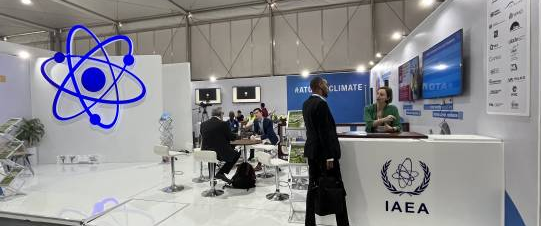
Dinara Ermakova spoke on the advantages of nuclear energy at a COP27 panel.
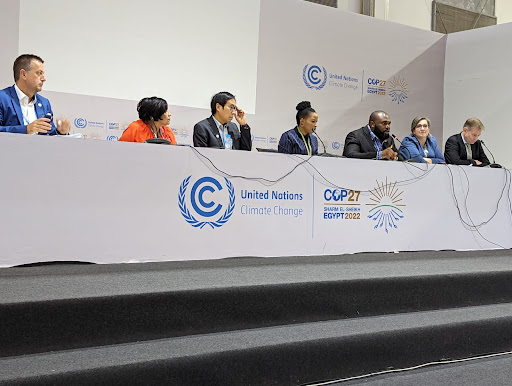
Experts at COP27 on achieving energy security through a diverse energy mix.
Anthropocene Institute nuclear engineer Dinara Ermakova addressed European dignitaries and nuclear energy leaders in Brussels.

Anthropocene Institute’s founder addressed the Nuclear Energy Assembly on the future of clean firm power.
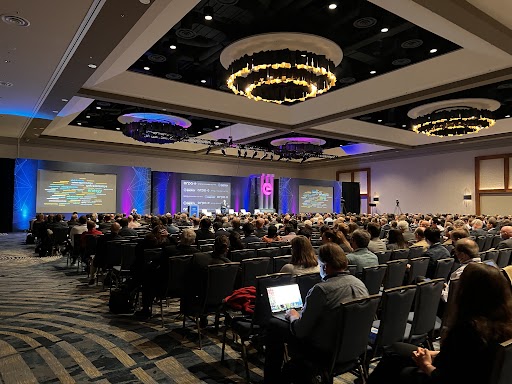
Climate tech investors on what they are funding, and why there has never been a better time to start a company.
Four ways nuclear can accelerate the transition to net zero, beyond supplying baseload power.
Carl Page addressed the student luncheon on solid-state atomic and fusion energy at the summit Anthropocene sponsored.
ARPA-E program directors on the generation and distribution opportunities they consider the most exciting of the decade.
Energy experts at the BERC Energy Summit made the case for accelerating advanced nuclear.
A BERC Energy Summit panel, including Anthropocene’s Frank Ling, on turning COP26 commitments into action.

Anthropocene Institute is sponsoring the Student Program at the 2022 ARPA-E Energy Innovation Summit in Denver.