
Close
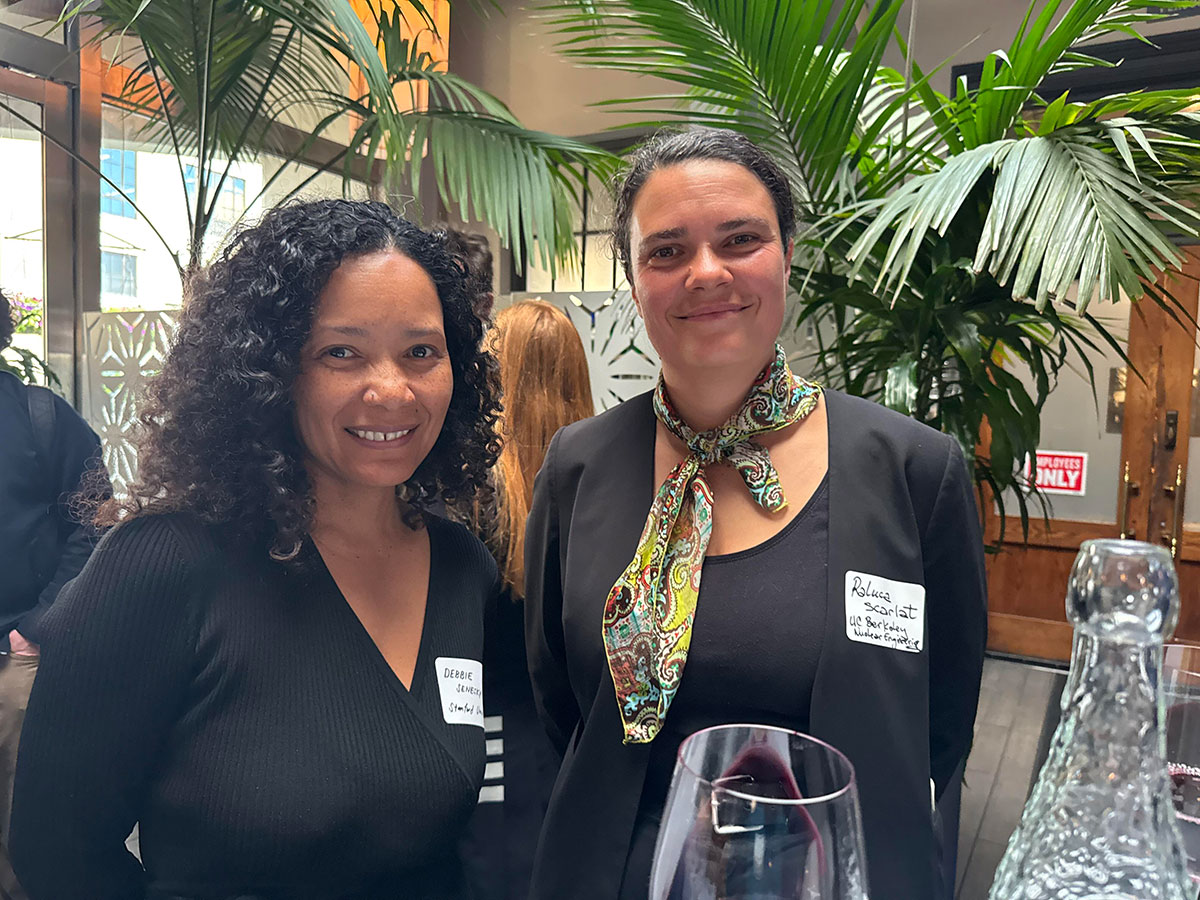
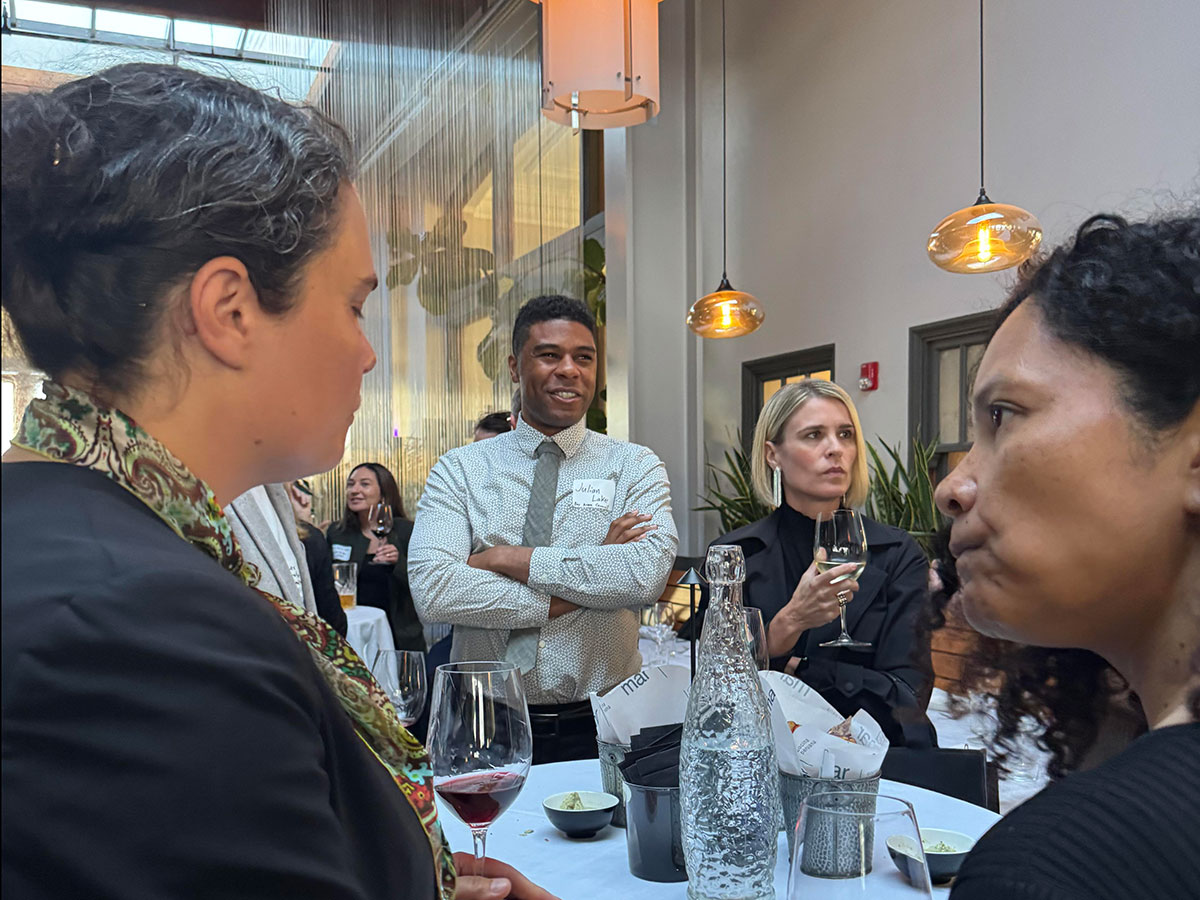
April 21, 2026 — San Francisco, CA — During this year’s SF Climate Week, Anthropocene Institute co-hosted a private, invite-only dinner with Stand Up for Nuclear to convene an unlikely but increasingly aligned coalition: nuclear advocates, pro-housing and pro-transit Democrats, and Bay Area policy and technology leaders. Held at La Mar’s Cebiche Lounge on the Embarcadero, the evening brought together roughly two dozen participants around a shared premise: abundance requires nuclear.
California has long shaped national energy policy, from early clean air standards to decades of leadership in renewable deployment and efficiency. But its history with nuclear tells a different story. In the early 1970s, utilities had plans for more than a dozen nuclear sites across the state. That trajectory ended with the 1976 moratorium, as political opposition curtailed further development. In the decades since, California has leaned heavily on efficiency gains and natural gas to meet demand.
The 2012 closure of the San Onofre Nuclear Generating Station reinforced that dependency. Despite sustained investment in renewables, natural gas still supplied roughly 40 percent of California’s electricity in 2024. Had San Onofre remained operational, the state could have avoided tens of millions of metric tons of CO₂ emissions over that period.
Now, with electricity demand rising sharply—driven by electrification, population growth, and AI-related infrastructure—California faces a familiar constraint: high costs, reliability concerns, and limited firm clean power. These pressures are fueling renewed interest in the “abundance” framework, which calls for building the infrastructure needed to support both economic growth and decarbonization.
The dinner was designed to accelerate that conversation. By bringing together groups that do not typically share a table, the goal was to establish common ground and identify practical next steps for integrating nuclear energy into a broader abundance agenda.
Speakers included Charles Oppenheimer, Debbie Senesky, and Valerie Gardner, who addressed the technical, political, and social dimensions of nuclear’s role in California’s future. Attendees represented a cross-section of Bay Area leadership, from policy and advocacy organizations to housing and climate groups.
The timing of the discussion was notable. Earlier that day, California lawmakers took a modest step forward on nuclear policy. AB 2647, originally introduced to modernize the state’s framework and allow advanced nuclear reactors, was rewritten to require the California Energy Commission to conduct a comprehensive study on the potential role of advanced nuclear in the state.
The reason was straightforward: the votes were not there.
While states like Illinois and New Jersey have fully repealed their nuclear moratoriums, California remains in a more cautious phase: studying rather than acting. The Natural Resources Committee hearing reflected the political reality. Legislators raised familiar concerns around safety and waste, framing the debate in terms that have persisted for decades. Whether driven by personal views or constituent pressure, those concerns continue to shape outcomes.
Even so, the revised bill surfaced meaningful signals. Assemblymember Zbur, previously opposed to nuclear measures, voted in favor of the study. The Union of Concerned Scientists rescinded its opposition. Most notably, Committee Chair Isaac Bryan—who had opposed the original bill—advanced the revised version with a “do pass” recommendation, emphasizing the need for rigorous analysis and open inquiry.
Assemblymember Muratsuchi, a long-time critic of nuclear energy, opposed the bill, noting that studies can lay the groundwork for future legal and policy challenges. But that dynamic cuts both ways.
The study, expected to be completed by July of next year, gives California policymakers formal cover to engage more seriously with nuclear energy. It is not a repeal of the moratorium, but it is a step toward one.
That context shaped the tone of the dinner. The conversation was not about immediate policy wins, but about building alignment: connecting advocates, policymakers, and leaders who see nuclear as part of a broader effort to move beyond scarcity-driven constraints.
The objectives were clear: provide credible resources, encourage informed advocacy, and strengthen relationships across sectors that rarely coordinate. If California is to revisit its nuclear policy in a meaningful way, it will require exactly this kind of coalition.
The takeaway from the evening was pragmatic. Progress in California is incremental, often constrained by political risk and institutional inertia. But small steps matter. The shift from outright opposition to formal study reflects a change in posture, one that creates space for more substantive action in the future.
For those working to advance nuclear as part of a clean, abundant energy system, it was a reminder that momentum builds unevenly—but it does build.

 English
  Japanese
  French
  Chinese
  Spanish
  German